
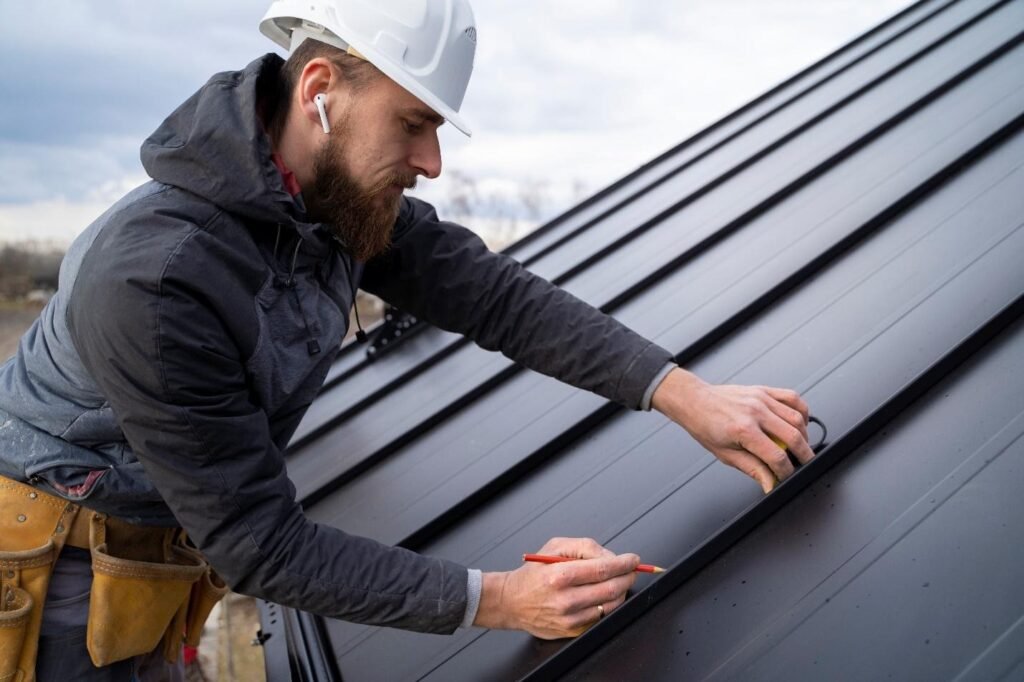
Your roof protects your house against rain, heat, wind, and all other elements that the weather could offer. The roof is not seen, so most homeowners do not give it a second thought until a major issue happens. At this point, the cost to repair damage is usually higher and more disruptive. It is a good idea to know when to call a professional roofing contractor because it will save time, money, and stress.
They detect damages that are not apparent, avoid additional loss, and contribute to the life span of your roof. The only difference is that the warning signs must be identified as soon as possible. These are the most frequent indicators that it is time to hire a roofing contractor, and a minor issue is going to end up becoming a large repair.
Water Damage or Leakage
One of the most obvious indicators of roof damage is the water on the ceiling or wall. A puddle is always an indication of water getting inside. Leaks do not always drip in a steady stream. Sometimes, they can only occur during heavy rain or the melting of snow.
A roofing contractor will be able to trace the source of the leak, which is not necessarily directly over the stain. Early-stage leakage fix is beneficial in preventing the growth of molds, structural damage, and expensive interior repairs.
Missing or Broken Shingles
Your roof is covered with shingles as its first line of defense. As they crack, curl, or lose, the underlying structure is exposed. The shingles can get damaged by storms, wind, and old age. When you see shingles in your yard or see holes in the roof, then it is time to call in a roofing company. It is possible to replace damaged shingles quickly to ensure that water does not enter the insulation.
Sagging Roof
A sagging roof is a serious warning sign. It usually gives an indication of structural problems, which are due to decaying wood or water damage. It is something that cannot be overlooked and left to fix. A roofing contractor will be able to determine whether the problem is only a few areas or a bigger structural problem.
Granules in Gutter
The granules in your roof, for some reason, protect the roof from sun damage. When you see granules in your gutters, then you are likely to find that your roof is approaching the end of its life. Although a certain amount of loss of the granules is normal with time, a high concentration is a sign of degradation. The roofing contractor is able to check the roof and see whether it needs repairing or replacing.
Roof Age and Wear
Although it might not have visible issues, the age of the roof does count. The majority of roofing materials do not last long. When your roof is near or even above the range, then regular checkups are more important. A professional roofer will assess the wear and tear, spots of vulnerability, and he is capable of helping you to plan on how to clean up or replace them, before the situation gets worse.