
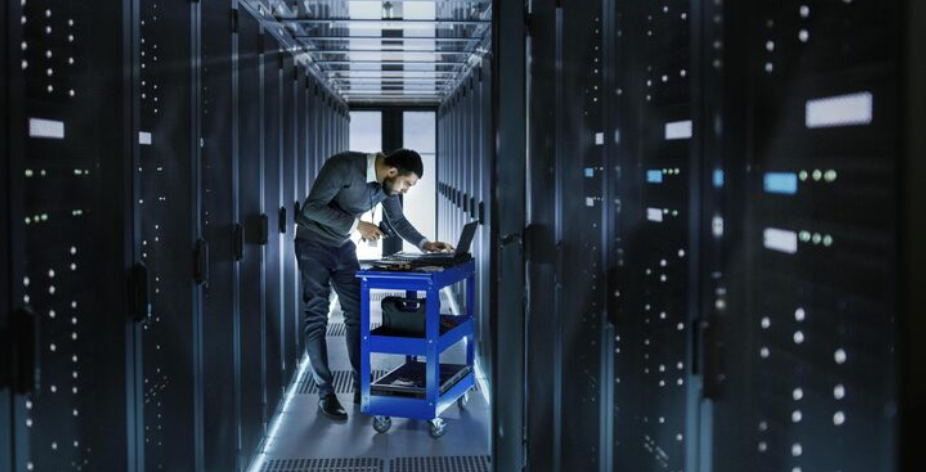
In today’s world, almost every part of our lives depends on digital services. From online banking to streaming movies, from cloud storage to remote work, we rely on data being available quickly and securely. Behind the scenes, mission critical service data centers play a vital role in keeping these services running without interruption. These specialized facilities are designed to provide reliable, secure, and continuous operation for businesses and organizations that cannot afford downtime.
What Is a Mission Critical Service Data Center?
A mission critical service data center is a facility built to host essential computing systems, networking equipment, and storage systems that support a company’s operations. These data centers are “mission critical” because any failure could have significant consequences, such as loss of revenue, disruption of services, or compromise of sensitive information. Unlike standard data centers, mission critical facilities use redundant power supplies, advanced cooling systems, and robust security measures to ensure that systems remain operational even in emergencies.
Ensuring Continuous Operations
One of the primary roles of a mission critical service data center is to maintain uninterrupted service. These data centers are designed with multiple layers of redundancy for power, network connectivity, and cooling. For example, if a power source fails, backup generators automatically take over. Similarly, if a network connection is interrupted, alternative paths ensure that data can still flow. This reliability is especially important for businesses that provide online services, financial transactions, healthcare systems, or emergency response tools. Any downtime in these operations can lead to serious consequences, so a mission critical service data center is built to prevent such issues.
Advanced Security Measures
Data security is another critical function of these centers. Mission critical service data centers are equipped with sophisticated security systems to protect against cyber threats and physical breaches. This includes controlled access, surveillance cameras, biometric verification, and 24/7 security personnel. Additionally, they often implement advanced fire suppression systems and environmental monitoring to prevent damage from natural disasters or equipment failure. These precautions ensure that sensitive data and critical systems remain safe at all times.
Supporting Scalability and Growth
Businesses today often experience rapid growth and fluctuating demand for digital services. Mission critical service data centers are built to support scalability. They can handle increases in data storage, computing power, and network traffic without compromising performance. This flexibility allows companies to expand their operations smoothly and meet customer needs efficiently. For organizations relying on cloud services, online platforms, or large-scale data processing, a mission critical service data center provides the infrastructure to scale seamlessly.
Energy Efficiency and Sustainability
While reliability is the top priority, many mission critical service data centers also focus on energy efficiency and sustainability. Modern facilities use energy-efficient cooling systems, LED lighting, and intelligent power management to reduce environmental impact. Some even integrate renewable energy sources, such as solar or wind power, to further minimize their carbon footprint. These efforts allow organizations to balance operational needs with environmental responsibility.
Why Choosing the Right Data Center Matters
Selecting a mission critical service data center is a strategic decision for any organization. The right facility ensures high availability, strong security, and the ability to scale with growth. Businesses that rely on continuous online operations, real-time data processing, or secure storage benefit greatly from partnering with a reliable data center provider. Making the right choice can protect against costly downtime, safeguard sensitive information, and support long-term digital strategy.
Conclusion
Mission critical service data centers are the backbone of modern digital infrastructure. They provide the reliability, security, and scalability that businesses need to operate efficiently in an increasingly digital world. By offering continuous operation, advanced security, and sustainable design, these facilities empower organizations to meet the demands of today’s connected economy. For any company that depends on digital services, choosing a mission critical service data center is not just a technical decision—it’s a key factor in long-term success.-