
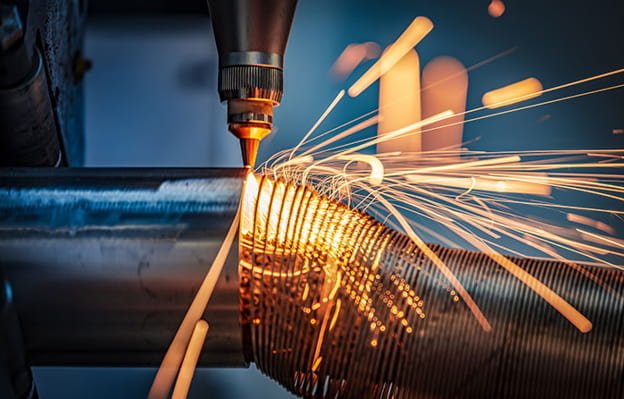
Manufacturers often face challenges in achieving precision cuts in aluminium components without advanced cutting technologies. Many production facilities rely on traditional methods, overlooking the benefits of modern innovations. Discovering aluminium laser cutting solutions reveals how technology can significantly enhance production processes. Accuracy improves as laser technology overcomes limitations of manual methods. Additionally, production efficiency rises with automation, reducing errors and manual labour. Advanced equipment allows for greater manufacturing flexibility to meet diverse project needs, highlighting the comprehensive advantages of laser cutting technology.
Cutting precision sometimes determines whether components meet strict tolerance requirements and specification standards exactly and consistently. Manual cutting occasionally introduces inconsistencies affecting component fit and assembly processes within manufacturing workflows and operations. Laser technology occasionally delivers microscopic accuracy, maintaining consistency throughout repetitive cutting operations and production batches. Edge quality improves noticeably when precision cutting eliminates rough edges requiring subsequent finishing operations and labour. Dimensional accuracy sometimes remains consistent across entire production batches, ensuring compatibility and interchangeability throughout projects. Component reliability occasionally improves when precise cuts reduce assembly complications and fitting difficulties substantially. Waste reduction sometimes emerges through accurate cutting, eliminating unnecessary material loss and expensive scrap materials. Production standards strengthen considerably through consistent precision and quality assurance throughout manufacturing processes.
Streamlining Production Processes
Automated cutting occasionally eliminates time-consuming manual setup and adjustment procedures between different projects and batches. Production timelines sometimes compress noticeably when laser systems operate continuously without extended manual interventions required. Operator fatigue sometimes decreases through reduced manual labour requirements during repetitive cutting operations and tasks. Setup procedures occasionally simplify substantially through programmed instructions and automated positioning systems integration within equipment. Production flow improves considerably when cutting processes integrate seamlessly within manufacturing workflows and operational sequences. Throughput capacity sometimes increases noticeably through efficient automated cutting operations and continuous processing capabilities. Labour allocation occasionally becomes more flexible when automated systems handle cutting responsibilities and complex operations. Efficiency improvements strengthen production capabilities and overall manufacturing performance metrics substantially.
Enabling Complex Design Implementation
Intricate patterns sometimes become achievable through laser technology, addressing design limitations of traditional cutting methods. Custom shapes occasionally emerge, allowing designers greater freedom to express innovative ideas within manufactured products. Aluminium components occasionally feature detailed specifications previously impossible through manual cutting approaches and traditional techniques. Artistic designs sometimes become production-ready when laser technology enables precise implementation and accurate execution. Prototype development occasionally accelerates when complex designs become quickly achievable and testable through advanced methods. Design flexibility can remove manufacturing constraints that previously limited creative possibilities and innovative product development. Innovation capabilities strengthen noticeably through expanded technological capabilities enabling previously impossible designs and concepts. Design possibilities expand considerably through advanced laser cutting technology capabilities and precision achievements.
Reducing Operational Costs
Material waste sometimes decreases substantially through precision cutting, eliminating unnecessary scrap and off-cuts throughout production. Labour requirements occasionally diminish when automated systems reduce manual intervention and operator time requirements significantly. Production errors sometimes decrease, reducing costly rework and scrap material disposal expenses and waste. Maintenance demands occasionally simplify compared to complex traditional cutting equipment requiring extensive upkeep and repairs. Energy efficiency sometimes improves through modern laser systems optimised for minimal consumption and environmental impact. Operational expenses sometimes decrease through streamlined processes reducing overall production cycle times and overhead costs. Financial performance improves considerably through operational efficiency and reduced material and labour expenses. Resource utilisation strengthens through responsible management and waste reduction strategies implemented throughout operations.
Improving Edge Quality Standards
Cut edges sometimes require extensive finishing when traditional methods leave rough, unfinished surfaces requiring treatment. Laser cutting occasionally produces smooth, clean edges requiring minimal or no post-processing treatment whatsoever. Surface quality improvements sometimes eliminate secondary operations, saving time and resources considerably throughout production. Heat distortion occasionally remains minimal through laser technology compared to traditional thermal cutting methods. Material properties occasionally remain unchanged, preserving structural integrity throughout finished components and final products. Quality consistency improves dramatically through automated precision processes reducing human error and variability factors. Finishing requirements diminish substantially through advanced technology, eliminating secondary operations and labour requirements. Product excellence strengthens considerably through superior edge quality and professional finishing standards achieved.
Conclusion
Aluminium laser cutting transforms manufacturing capabilities through advanced technology, enabling precision and efficiency simultaneously. Accuracy improvements strengthen product quality and reliability considerably through consistent precision cutting. Production efficiency increases through automated, streamlined processes, eliminating manual labour and time constraints. Complex designs become achievable through technological capabilities enabling previously impossible product specifications. Operational costs decrease substantially through waste reduction and streamlined manufacturing processes throughout operations. Environmental responsibility emerges through sustainable practices and reduced waste generation throughout production. Edge quality improves dramatically through precision cutting, eliminating secondary finishing operations and labour. Manufacturers discover competitive advantages exceeding expectations remarkably through the implementation of advanced laser cutting technology.