
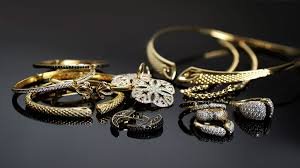
The idea is talked about in great detail so that you can learn about style preferences, metal choices, gemstone interests, and budget concerns. The goal is to set a clear path that will guide the whole process of making things. To be environmentally and socially responsible, many modern jewelry makers use materials that are sourced in a responsible way. The wax model lets jewelers and customers look at the piece in person. A custom jewelry manufacturer can look at the proportions, comfort, and overall look. This is the point at which any necessary changes are made before moving on to metal casting.
This step connects digital design with making something real. It makes sure that the final product meets expectations and lowers the chance of mistakes during the final casting process.
Digital Visualization and CAD Modeling
CAD technology is used to turn the idea into a detailed digital model after the design is approved. This step is very important in making custom jewelry today because it makes sure that everything is done right and cuts down on mistakes. The concept stage is the most important part of the whole process. Before any physical work starts, this is where ideas are made, talked about, and improved.
Digital sketching tools are also used in today’s work processes. These tools let you make changes more quickly and with more accuracy. Before choosing a final direction, many design options are often made. This helps find design and structural problems before production starts.
CAD technology also makes things more efficient by cutting down on material waste and mistakes made by people during the manufacturing process.
3D Rendering and Seeing
The last presentation focuses on skill, accuracy, and artistic detail. It marks the end of the whole process of making something. Prototyping lowers the risk and makes sure that the final product is very similar to the approved design.
The jewelry design goes from wax to solid metal during the metal casting stage. Before choosing a final direction, many different options are usually made. To make sure that complex designs can be made without losing strength, they may need to be changed. Before moving on to metal casting, changes can be made to cut down on production mistakes.
Prototyping is the link between making something in a computer and making it in real life. This makes sure that the piece meets the standards for design and durability.
Inspectors check the security, symmetry, structural strength, and finishing quality of gemstones. This stage isn’t set in stone. It changes slowly as people talk about and observe it and come up with better ideas. Before starting technical design work, the goal is to build a strong creative base.
Drawing and Early Visualization
To be environmentally and socially responsible, many manufacturing processes now put a high value on materials that were mined responsibly.
At this stage, feedback is often used. There are many changes made to the design until it meets both creative and technical requirements. This cast piece is usually rough and needs to be smoothed out more.
How to Set Stones and Make Things with Precision
Before it is finished, the jewelry goes through a thorough quality check. This makes sure that the piece meets the standards for design and durability.
Inspectors look at the security, symmetry, metal strength, and finishing quality of gemstones. Before approval, any flaws are fixed. A physical prototype is made when the design and materials are set. People commonly use wax modeling methods to achieve this. Artisans cut wax into the form they want by hand in traditional ways. 3D printing technology is often utilized to make very precise wax models in current manufacturing. The jewelry item looks rough and not completed when it is cast. Next, you need to polish and improve the structure. Using sophisticated tools, extra metal, sprues, and flaws are meticulously taken away.
Then, polishing is done to make the surface seem better. This step turns a rough cast into a polished jewelry framework that is suitable for elaboration.
Setting and Detailing Stones
When designing anything, designers frequently ask themselves things such, “Should the piece be simple or complex? Should it be modern or traditional? Should it be bold or subtle?” These choices assist in determining the style of the design. At this point, preliminary drawings, reference pictures, and visual ideas are put together to have a better idea of what the final product would look like. The idea is worked on over time until it becomes a design direction that can be built on. It means putting gemstones into the metal framework in a safe and exact way.
Depending on the design needs, several setup procedures are utilized. The last phase, presentation, is very significant since it shows how much attention and skill went into the whole process.
Drawing and Making a First Design Visualization
The first drawings are all about proportions, forms, and the general framework. This lets both designers and customers or stakeholders look at the direction before continuing on. After the drawing is done, the design is frequently turned into a digital 3D model utilizing specific software. This step makes the design process very accurate and realistic. You can make changes simply without changing the actual materials.
The digital model is like a blueprint for making things. It makes sure that every aspect, from where the gemstones go to how thick the metal is, is apparent before production starts.
Summary
Wax modeling is an old but still popular stage in making jewelry. Making a physical model of the jewelry design at custom jewelry manufacturer out of wax or resin is part of it.
Artisans carve wax by hand to fit the design criteria in manual procedures. In today’s processes, 3D printing is routinely utilized to make very precise wax models from digital information.
This prototype lets manufacturers see at the design in person, evaluate the dimensions, and make any changes they need to before moving on to metal casting. It is a very important step in the process of making things.