
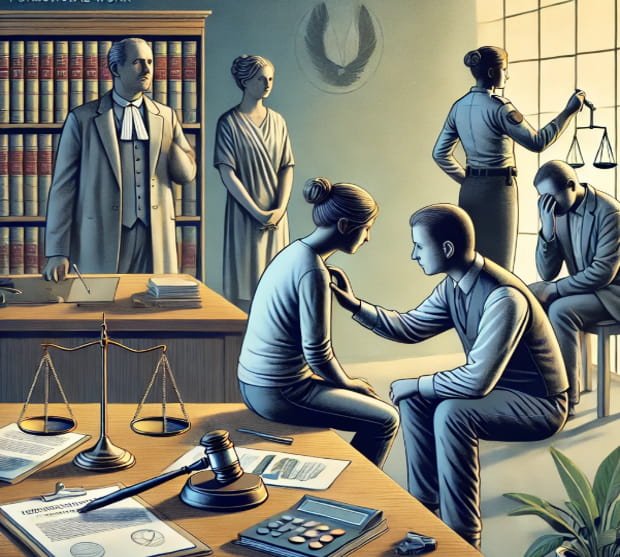
Forensic Mental Health Services: The intersection of mental health and the legal system creates complications most people never consider until facing them directly. Courtrooms require understanding psychological factors influencing behavior and decision-making. Yet many legal professionals lack expertise in assessing mental health thoroughly. Forensic mental health services bridge this critical gap, providing essential assessment. Specialists understand both psychology and legal requirements intimately. Understanding what genuine forensic expertise delivers helps legal systems appreciate value. Those engaging qualified services discover cases resolved with greater understanding and fairness.
Assessing Competency Accurately
Court decisions depend partly on whether defendants can participate meaningfully. Competency assessment requires specialist knowledge beyond general psychology. Experts evaluate whether individuals understand proceedings and assist their defence. Professional evaluation ensures accurate determinations rather than assumptions. Competency matters affecting fair trial rights fundamentally. Specialists recognise conditions affecting comprehension and participation. Proper assessment prevents wrongful convictions through misunderstanding. Justice depends on accurate competency evaluation. Legal systems function better with specialist input.
Understanding Criminal Behaviour
Crime sometimes reflects psychological conditions rather than pure criminality. Mental illness affects judgment substantially. Psychological trauma influences decision-making. Substance abuse disorders drive behaviour. Forensic mental health professionals understand these connections. They evaluate how conditions shaped specific behaviours. Understanding motivations informs sentencing decisions. Rehabilitation becomes possible when underlying issues are addressed. Justice balances accountability with compassion. Understanding transforms legal outcomes genuinely.
Protecting Vulnerable Individuals
Criminal justice systems sometimes fail to protect vulnerable people. Individuals with mental illness face additional challenges. Learning disabilities affect legal understanding. Developmental disorders create complications. Protective measures emerge through proper assessment. Specialists advocate for vulnerable populations. Rights get protected through awareness. Vulnerabilities inform appropriate accommodations. Justice systems become more equitable. Protection ensures fair treatment throughout proceedings.
Supporting Sentencing Decisions
Judges require relevant information and making appropriate sentences. Mental health context matters substantially. Background factors influence sentencing appropriately. Psychological conditions affect rehabilitation possibilities. Mental health services provide crucial information guiding decisions. Comprehensive assessment informs sentencing rationales. Appropriate sentences follow from understanding. Rehabilitation becomes possible through knowledge. Justice systems make wiser decisions. Sentencing reflects genuine circumstances.
Enabling Rehabilitation Planning
Incarceration sometimes provides an opportunity for treatment. Mental health assessment identifies treatment needs. Psychological programmes address underlying issues. Substance abuse treatment becomes available. Mental illness management improves outcomes. Rehabilitation planning depends on accurate assessment. Treatment approaches match individual needs. Recovery becomes possible during incarceration. Recidivism decreases through proper intervention. Rehabilitation transforms outcomes genuinely.
Clarifying Witness Reliability
Witness testimony affects trial outcomes substantially. Mental health conditions sometimes affect credibility. Memory problems influence accuracy. Psychological conditions affect perception. Expert assessment clarifies reliability questions. Specialists evaluate whether conditions affected testimony. Juries understand witness limitations better. Fairness improves through transparency. Credibility assessment becomes professional rather than assumption-based. Justice benefits from clarity.
Advocating For Appropriate Treatment Settings
Mental health conditions sometimes require treatment rather than purely punitive approaches. Some individuals belong in hospitals rather than prisons genuinely. Professional assessment identifies appropriate placements. Specialists advocate for treatment-focused solutions when relevant. Diversion programmes become possible through proper identification. Community-based treatment sometimes serves justice better than incarceration. Mental health courts represent innovative approaches addressing these complexities. Assessment guides decisions towards appropriate settings. Justice becomes more humane through proper understanding. Treatment access improves through professional advocacy.
Improving Professional Understanding Throughout Systems
Legal professionals benefit from psychological education provided through consultation. Prosecutors understand how conditions affect culpability. Defence attorneys advocate for a more effective understanding of psychological factors. Judges make wiser decisions with expert guidance. Police officers recognise mental health crises appropriately. Professional development emerges through engagement. Communication between systems improves substantially. Collaborative approaches produce better outcomes. Understanding spreads throughout justice systems. Professional relationships are strengthened through genuine education.
Supporting Risk Assessment
Predicting future behaviour requires psychological expertise. Risk assessments guide release decisions. Mental health factors influence dangerousness. Professional evaluation informs detention decisions. Specialists assess whether individuals pose genuine threats. Accurate assessment prevents unnecessary incarceration. Risk management becomes evidence-based. Public safety improves through proper evaluation. Justice systems protect communities effectively. Professional assessment supports wise decisions.
Conclusion
Forensic mental health services strengthen legal systems through comprehensive psychological assessment and professional expertise. Competency evaluation ensures fair participation. Criminal behavior understanding informs justice. Vulnerable individuals receive protection. Sentencing decisions gain crucial context. Rehabilitation planning becomes effective. Witness reliability gets clarified professionally. Risk assessment becomes evidence-based. Those engaging qualified services discover that legal outcomes improve substantially. Professional forensic expertise creates fairer, more effective justice genuinely.